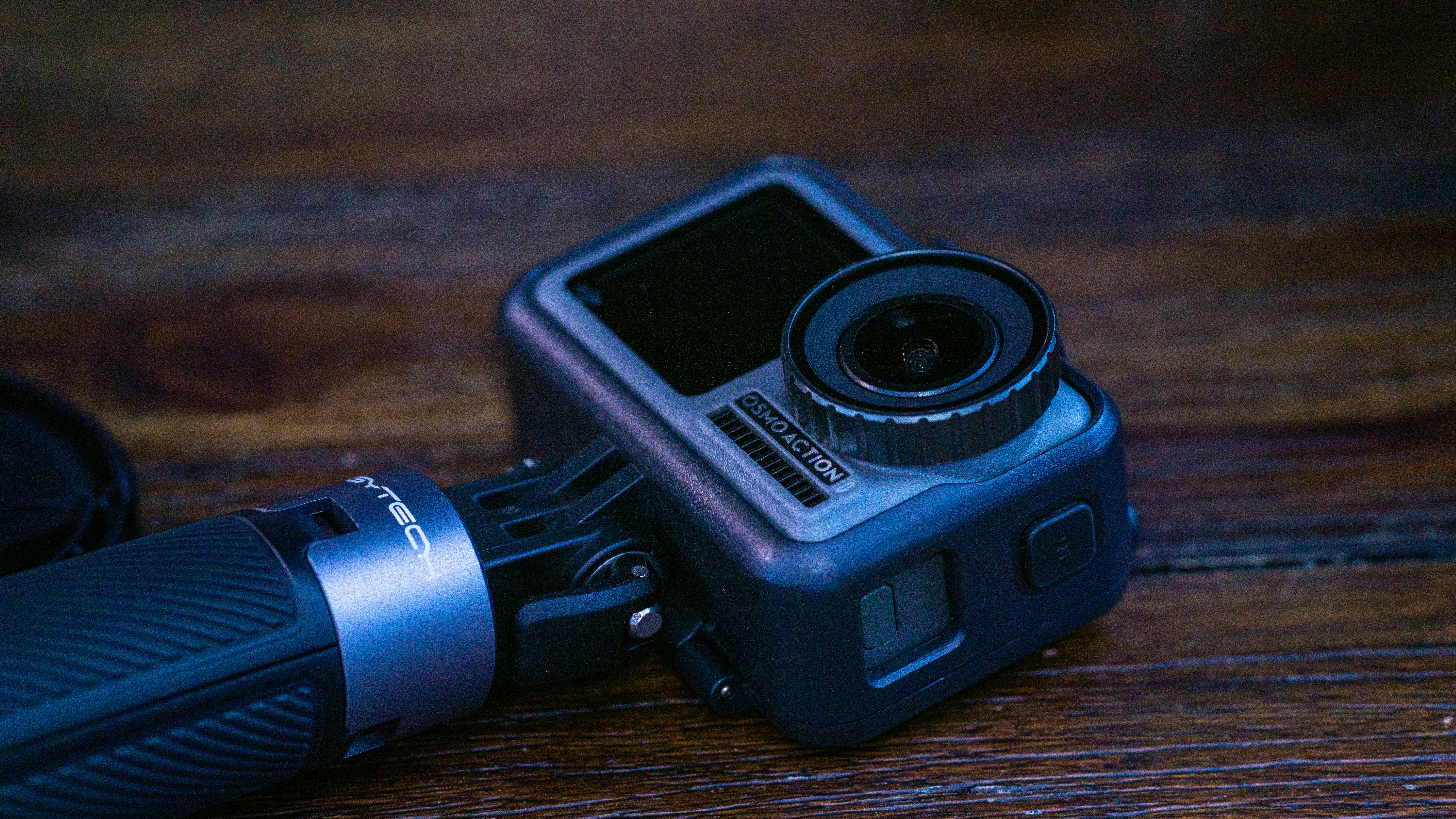
Introduction to Action Cameras
Action cameras have revolutionized the way individuals document their adventures, providing a unique blend of portability, durability, and high-definition video capabilities. These compact devices are designed to capture high-quality footage in a variety of environments, making them particularly appealing to adventure enthusiasts, travelers, and content creators alike. Unlike traditional cameras, action cameras are built to withstand extreme conditions, such as water, dust, and impact, which allows users to record their experiences without concern for the elements.
The versatility of action cameras is one of their most notable features. Whether you’re skiing down a slope, cycling through rugged terrain, or snorkeling in the ocean, these devices enable users to capture stunning visuals with minimal effort. This functionality has made action cameras an essential tool for vloggers and influencers who aim to engage their audiences with immersive content. The ability to film dynamic activities from unique perspectives enhances storytelling, resulting in more captivating videos that stand out in the crowded social media landscape.
In addition to their resilience and versatility, modern action cameras are equipped with advanced features like 4K resolution, image stabilization, and built-in Wi-Fi, enabling easy sharing and streaming of content. These technological advancements have further solidified the popularity of action cameras, leading to a growing market with numerous options available. As new models emerge, consumers are presented with an array of choices tailored to different needs and preferences. A comprehensive understanding of action cameras and their applications can assist potential buyers in selecting the right device for their specific requirements.
Overview of GoPro Max 2
The GoPro Max 2 is a cutting-edge action camera that delivers superior performance, making it a strong competitor in the action camera market. It features an impressive video resolution of up to 5.6K, enabling users to capture stunningly detailed and vibrant footage. This high resolution ensures that images remain crisp and clear, even during dynamic activities such as extreme sports or adventure travel. Furthermore, it supports a 360-degree shooting option, allowing for immersive experiences that traditional cameras cannot replicate, as users can capture their surroundings in entirety.
One of the standout features of the GoPro Max 2 is its advanced image stabilization technology, known as HyperSmooth. This system significantly reduces vibrations and camera shake, producing smooth and steady videos even in the most challenging environments. The Max 2 also incorporates Horizon Lock, which maintains the horizon level, regardless of how the camera is tilted during recording, thus delivering a professional-grade quality to the finished content.
Battery life is another crucial aspect where the GoPro Max 2 excels. With an improved battery design, it offers extended recording times, allowing users to immerse themselves in their activities without the constant worry of recharging. The camera’s compatibility with various accessories, such as external microphones and gimbals, enhances its versatility, providing users with the opportunity to tailor their filming experience according to their needs.
Additionally, GoPro Max 2 comes equipped with several innovative features like the TimeWarp functionality, which creates dynamic time-lapse videos, and Voice Control, enabling hands-free operation. Together, these qualities position the GoPro Max 2 as a leading action camera, appealing to both amateur and professional users seeking reliability and high-quality performance in their recording equipment.
Overview of DJI Osmo Nano
The DJI Osmo Nano emerges as a notable contender in the compact action camera category, designed for users seeking portability without compromising on quality. At a mere 249 grams, the camera combines a lightweight structure with robust functionality, making it ideal for adventure-seekers and vloggers alike. One of the most striking features of the Osmo Nano is its design; it boasts a sleek, ergonomic build that is not only aesthetically appealing but also enhances grip and functionality during use.
When it comes to performance, the DJI Osmo Nano excels with its impressive video capabilities. Users can capture high-definition footage at resolutions up to 4K, ensuring that every moment is preserved with remarkable clarity and detail. The advanced stabilization system, employing DJI’s proprietary technologies, ensures that even the most action-packed scenes remain smooth and steady—essential for dynamic recording scenarios. This stabilization feature significantly reduces the effects of camera shake, providing cinematic quality videos regardless of the filming environment.
The camera’s optical performance is further amplified by its high-quality lens, offering a wide field of view that enhances the immersive experience. The low-light capabilities of the Osmo Nano are also commendable, allowing users to record vibrant and detailed videos even in less-than-ideal lighting conditions. Other notable features include real-time streaming options and various shooting modes, such as timelapse and slow-motion, which contribute to its versatility.
Dive deep into the DJI Osmo Nano, and you will discover that it is not merely an action camera; it is a comprehensive tool designed to cater to the needs of modern content creators. Its blend of compact dimensions, superior video quality, and stabilization technologies positions it as a strong player in today’s competitive action camera market.
Comparison of Video Quality
When evaluating the video quality of the GoPro Max 2 and the DJI Osmo Nano, several critical factors come into play, including resolution, frame rates, and performance in various lighting conditions. Both cameras are designed to capture high-quality video but cater to different needs and user preferences.
The GoPro Max 2 boasts impressive specifications, offering 5.6K video resolution at 30 frames per second. This model excels in scenarios requiring dynamic action capture, thanks to its advanced stabilization features, which reduce the effects of shaking and provide smooth footage. Additionally, the Max 2 supports different field-of-view settings, enabling users to adjust the framing based on their shooting requirements. Based on numerous tests, the GoPro Max 2 performs particularly well in low-light conditions, providing clearer and more vibrant colors, which is crucial for action scenes or adventure recordings.
On the other hand, the DJI Osmo Nano offers a maximum resolution of 4K at 60 frames per second. This higher frame rate is particularly advantageous for capturing fast-moving subjects, as it results in smoother playback during editing. However, the lower resolution compared to the GoPro Max 2 could be a limiting factor for users seeking the highest quality. The Osmo Nano also features notable low-light performance, benefiting from an intelligent HDR mode that enhances detail in darker environments, although it may not consistently match the vibrancy of the Max 2 in such settings.
When comparing sample footages from both cameras, users often note that while the GoPro Max 2 offers slightly better resolution and stabilization, the Osmo Nano presents superior frame rates for high-speed action. Ultimately, the choice between these two cameras may depend on the specific requirements of the user, as both models deliver exceptional video quality in their own rights.
Stabilization and Ease of Use
When comparing the GoPro Max 2 and the DJI Osmo Nano, it is crucial to consider the stabilization features and overall ease of use inherent in each model. Stabilization technology plays a significant role in delivering smooth and visually pleasing footage, which is particularly crucial for action cameras that are often subjected to intense movement and varying terrains.
The GoPro Max 2 is equipped with HyperSmooth stabilization, which automatically adjusts to minimize camera shake during recording. This advanced feature allows users to capture steady shots, regardless of the conditions, enhancing the overall viewing experience. Users have reported that the stabilization method effectively compensates for both minor bumps and significant jolts, making it a preferred choice among extreme sports enthusiasts. The user-friendly interface of the Max 2 further ensures that even novice users can quickly configure settings, allowing seamless transitions between different shooting modes.
In contrast, the DJI Osmo Nano utilizes an electronic stabilization system known as RockSteady. This technology is adept at tracking motion and compensating for vibrations, stabilizing footage beautifully even when the user is on the move. The Osmo Nano also features a touch screen that simplifies the navigation of settings and modes, allowing users to customize their shooting experience with ease. However, some users may find the setup process slightly less intuitive compared to the GoPro Max 2, which can lead to a steeper learning curve for beginners.
Both cameras offer exceptional stabilization capabilities, yet their effectiveness may vary based on user preferences. In terms of overall ease of use, the GoPro Max 2 often edges out as the more accessible option, whereas the Osmo Nano delivers commendable stabilization performance suitable for those who prioritize advanced features.
Durability and Battery Life
When evaluating action cameras such as the GoPro Max 2 and the DJI Osmo Nano, durability and battery life are critical parameters that greatly influence user experience. Both devices are engineered to withstand the rigors of outdoor adventures. The GoPro Max 2 features a rugged design with a water resistance rating of up to 33 feet (10 meters) without an additional housing, making it suitable for various water sports and unpredictable weather conditions. The device is built using robust materials that can handle drops and rough handling, which is a significant consideration for outdoor enthusiasts.
Conversely, the DJI Osmo Nano also boasts a durable build quality, but it lacks the high-water resistance ratings of the GoPro Max 2. It is designed to be lightweight and portable, which may appeal to users prioritizing convenience over extreme durability. However, when exposed to harsh conditions, the Osmo Nano may need a protective case to ensure longevity, particularly during wet or rugged activities.
Battery life is another essential feature worth examining. The GoPro Max 2 comes equipped with a 1,620 mAh battery, which can provide up to 90 minutes of continuous recording time in high-quality mode. User experiences report that charging time is generally swift, allowing for rapid turnaround between shoots. The camera’s battery management system is efficient, but heavy usage of features like 360-degree recording can impact overall longevity.
The DJI Osmo Nano, on the other hand, incorporates a slightly smaller battery, which may yield around 70 minutes of recording time. Users have noted that while the charging times are comparable to those of the GoPro Max 2, the lower battery capacity often necessitates bringing additional batteries for extended outings. Ultimately, potential buyers should weigh these factors concerning their specific requirements in outdoor adventures.
Price Comparison and Value for Money
When considering the purchase of an action camera, such as the GoPro Max 2 or the DJI Osmo Nano, understanding their pricing and evaluating their value for money is essential. As of October 2023, the GoPro Max 2 is priced at approximately $499, while the DJI Osmo Nano is available for around $349, making it the more budget-friendly option. However, the higher price of the GoPro Max 2 reflects its advanced features and capabilities, which may justify the investment for some users.
The GoPro Max 2 stands out with its unique 360-degree shooting capability, offering users an immersive way to capture their adventures. Additionally, it features superior stabilization technology and boasts 5.6K resolution video recording, which can be a significant advantage for content creators seeking high-quality footage. On the other hand, the DJI Osmo Nano, while more affordable, focuses on compactness and ease of use, suitable for casual users or those on a tighter budget who prioritize portability over extensive functionality.
Both brands often run promotions that can affect the overall price, including seasonal discounts or bundling offers. It’s advisable to monitor their official websites or authorized retailers for any ongoing sales that could provide extra savings. Furthermore, it’s important to consider the nature of service agreements offered by each company. GoPro provides extended warranty options and subscriptions for cloud storage, while DJI also offers protection plans that can enhance the value proposition of the Osmo Nano.
In conclusion, while the GoPro Max 2 commands a higher price due to its advanced features and capabilities, the DJI Osmo Nano offers great value for those seeking an affordable and user-friendly option. Consumers should carefully assess their specific needs to determine which camera best aligns with their expectations for cost, functionality, and performance.
User Testimonials and Reviews
When it comes to choosing between the GoPro Max 2 and DJI Osmo Nano, user testimonials offer invaluable insight into real-world experiences with these action cameras. Both models have garnered a plethora of reviews from users across various platforms, detailing their performance, durability, and overall satisfaction.
Many users of the GoPro Max 2 rave about its stunning image quality and versatility. Reviewers highlight how the camera excels in capturing high-resolution videos and photos, even in low-light conditions. Users often mention the camera’s superior stabilization technology, which effectively minimizes shaky footage, making it a reliable choice for adventure sports. Additionally, the waterproof design has been praised by scuba divers and surfers alike, who appreciate its resilience in extreme environments. However, some users have noted that the battery life could be improved for extended activities.
On the other hand, the DJI Osmo Nano has received commendations for its compact design and ease of use. Many testimonials point out that its portable nature makes it an excellent companion for travelers and casual users. The built-in gimbal stabilization is often highlighted as a standout feature, allowing for smooth shots without the need for additional equipment. Customers have praised the intuitive interface and quick setup, making it accessible even for those who may not be tech-savvy. However, some users have expressed concerns about the camera’s performance in extreme lighting situations compared to the GoPro Max 2.
Ultimately, feedback from users indicates that both cameras excel in their own right, catering to different users’ needs. Potential buyers should weigh these reviews against their specific requirements, be it professional use or casual filming, to make an informed decision.
Final Verdict: Which Camera is Right for You?
When evaluating the GoPro Max 2 and DJI Osmo Nano, it is crucial to consider the specific needs and preferences that will influence your decision. Each camera presents distinct features tailored to varied user requirements, making the choice between them not only a matter of specifications but also of personal priorities in capturing content.
The GoPro Max 2 excels in areas such as 360-degree video capability and rugged durability, making it an excellent choice for adventurers, extreme sports enthusiasts, and those who prioritize versatility in shooting environments. Its advanced stabilization technology and superior image quality allow users to create immersive, high-quality content effortlessly. However, prospective buyers should be prepared for a slightly higher price point, which reflects these added features.
Conversely, the DJI Osmo Nano appeals to those seeking a compact, lightweight action camera for everyday use and vlogging. Its user-friendly interface and seamless smartphone integration allow for hassle-free operation, making it ideal for beginners and casual users. The Osmo Nano offers solid video quality and stabilization, catering to individuals who prioritize convenience over extensive functionality. For those on a tighter budget, this model presents a more economical option without dramatically compromising on quality.
Ultimately, the best action camera for you will depend on whether you value versatility and advanced features (GoPro Max 2) or simplicity and convenience (DJI Osmo Nano). By assessing your intended use case—whether it involves extreme sports, travel, or casual filming—you can make an informed decision that aligns with your expectations and budgetary constraints. In conclusion, both cameras have their merits, and understanding your specific needs will guide you toward the camera that best complements your lifestyle and creative pursuits.